

Hydraulic works / Dams /
Hydroelectric infrastructures
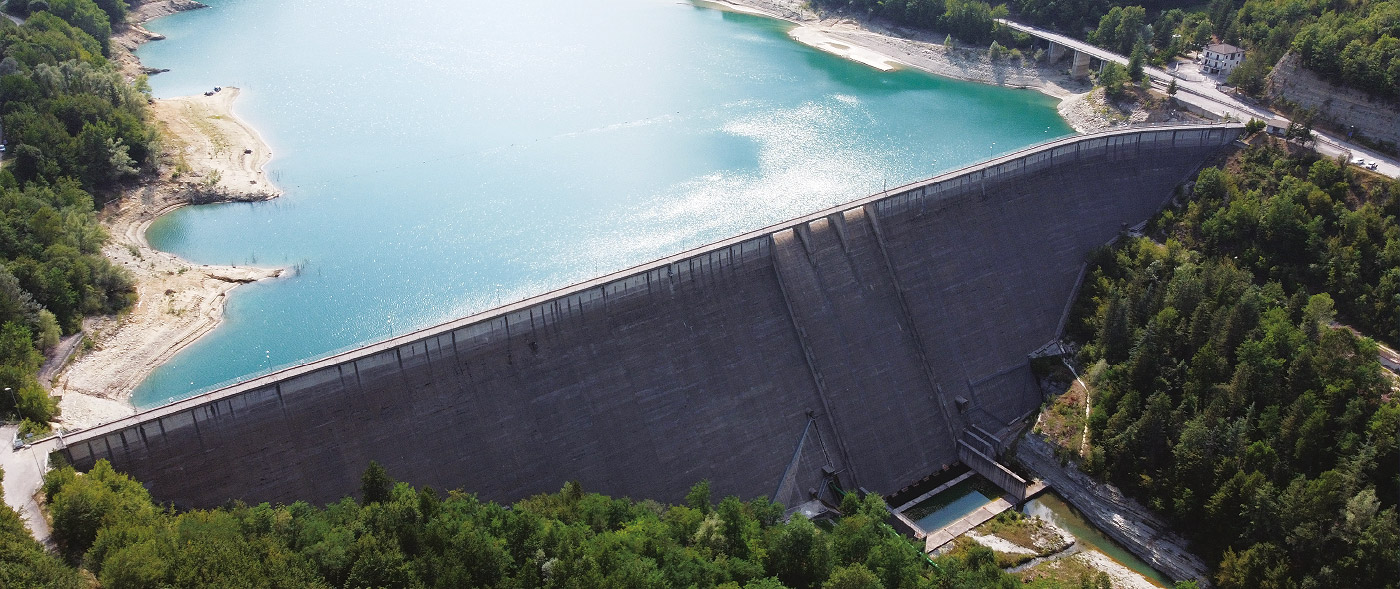
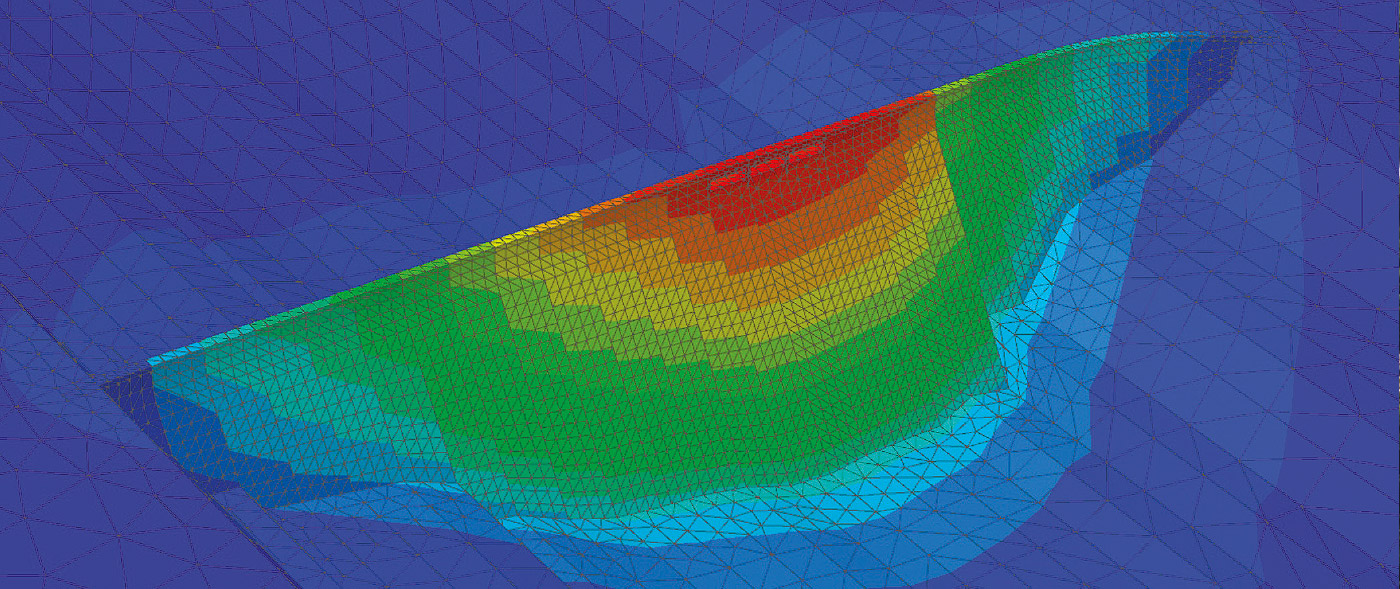
The design of hydraulic works is essential for resource management: regulation works, storage systems, aqueducts, canals and hydraulic protection works. In this respect, dams require complex soil-structure interaction (SSI) and fluid-structure interaction (FSI) analyses to ensure safety and functionality over time. Hydroelectric infrastructures, on the other hand, include civil works necessary for production of energy from renewable sources: intake works, penstocks, power plants and underground works and other accessory works, which must guarantee efficiency and sustainability. The activities are based on both analytical solutions and numerical modelling and digital tools focused on geotechnical and structural design.
Road and rail infrastructures
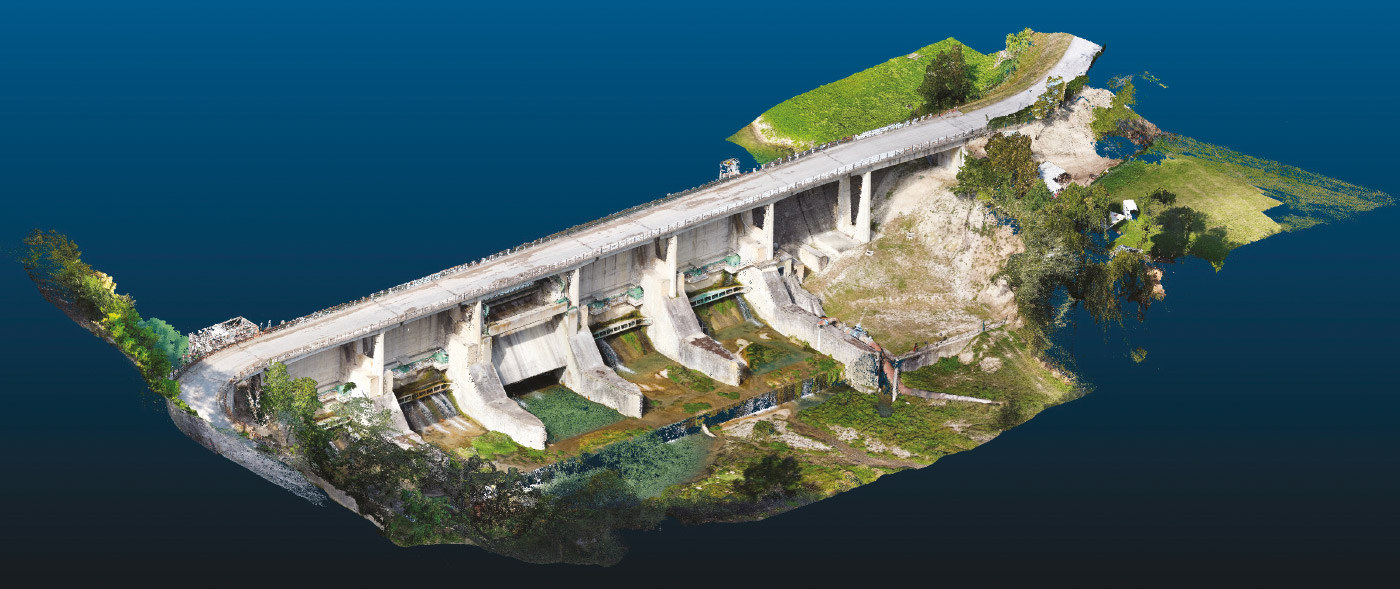
Road and rail infrastructure is a key element in land development, sustainable mobility and interconnection between urban and rural areas. Works such as bridges, viaducts, natural and artificial tunnels, embankments and retaining structures require an integrated study approach between geotechnical and structural engineering. The interaction between soil and structure is evaluated using both proven analytical methods and FEM models capable of simulating the real work-soil ensemble behavior. This approach allows the development of resilient and at the same time sustainable solutions.

Hydrogeological risk mitigation works
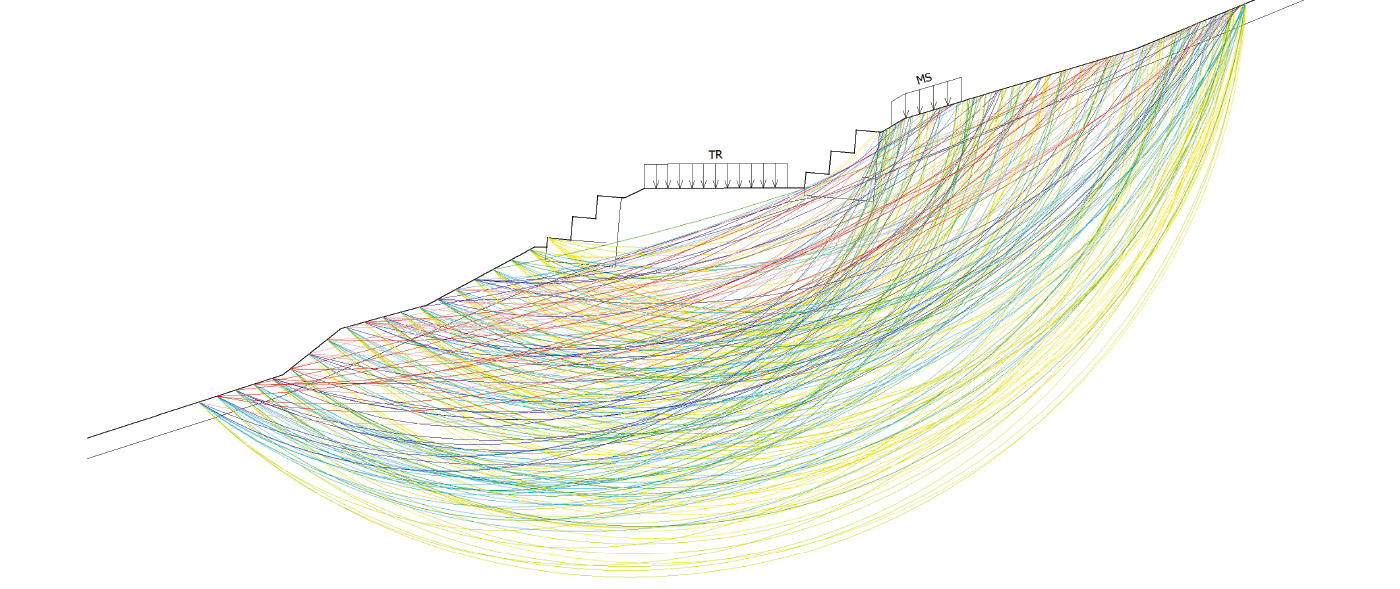
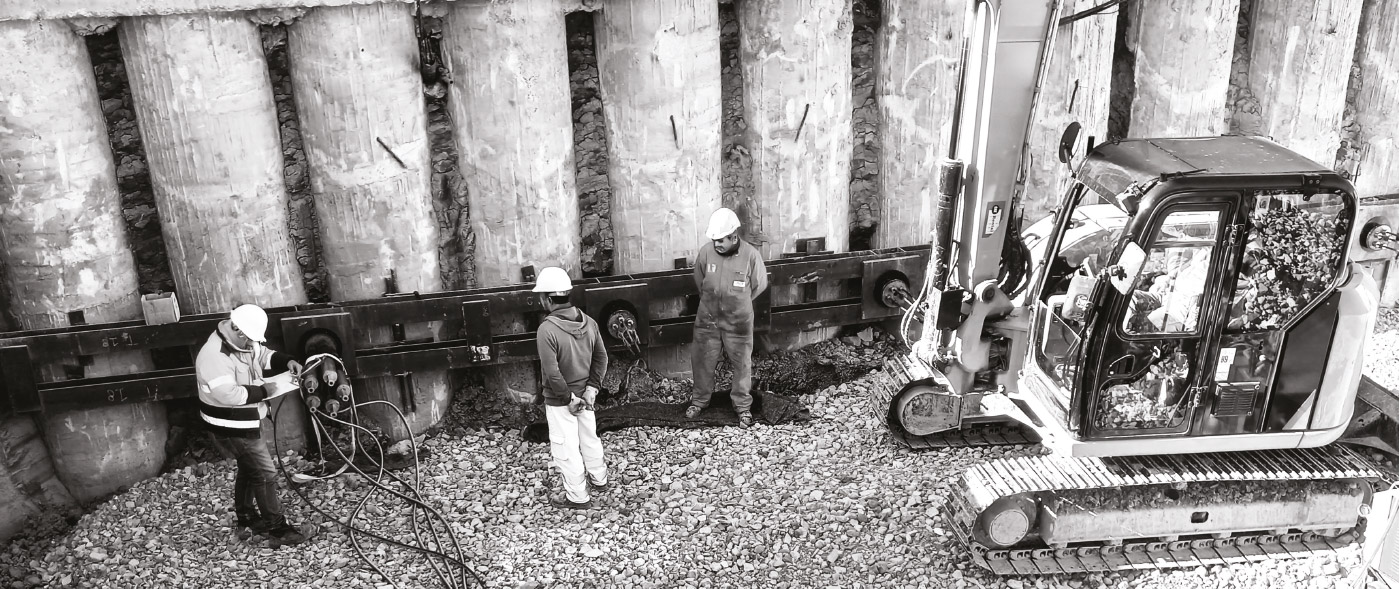
Hydrogeological hazard mitigation works are interventions designed to prevent or reduce the effects of landslides, floods, erosion, debris flows, and slope instability. Such interventions include works such as: berms, reinforced earth, bulkheads, walls, tiebacks, nailing, drainage systems, etc. and passive defense works such as rockfall barriers, adhesion nets, and protection works. Their study is based on geological, geotechnical and hydraulic data, supported by topographic surveys and taking into account the evolution of the phenomenon over time through the adoption of monitoring plans. These solutions contribute to risk reduction and ecosystem resilience.
Civil and industrial buildings
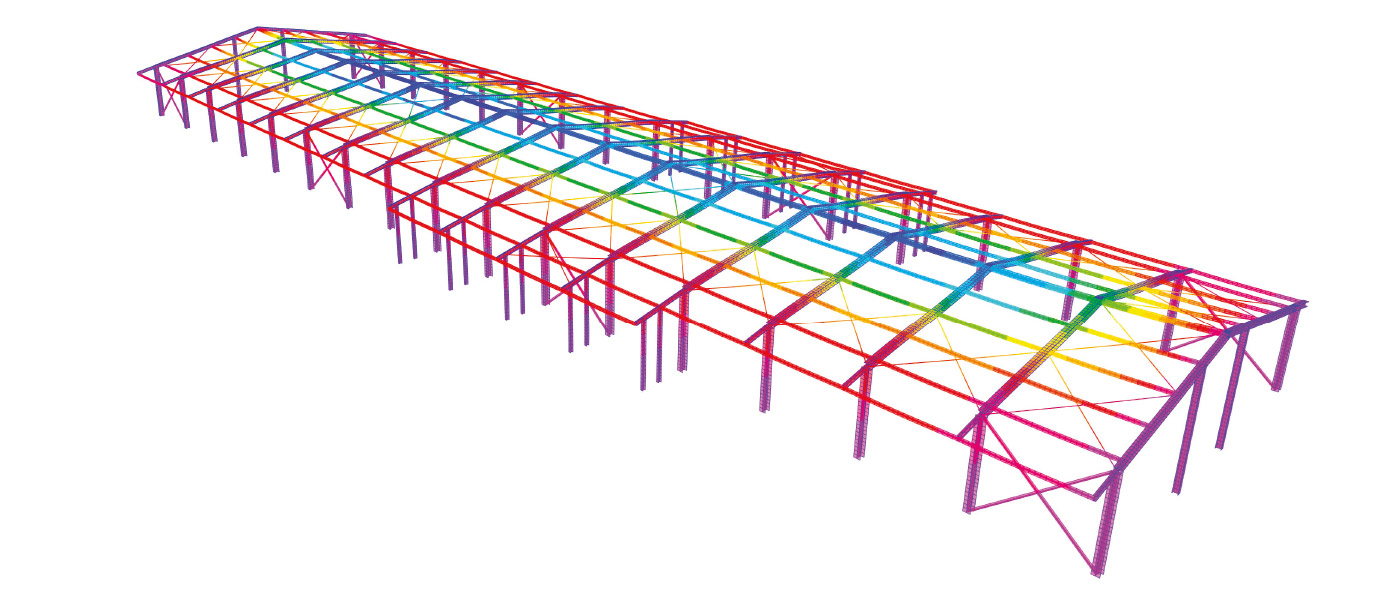
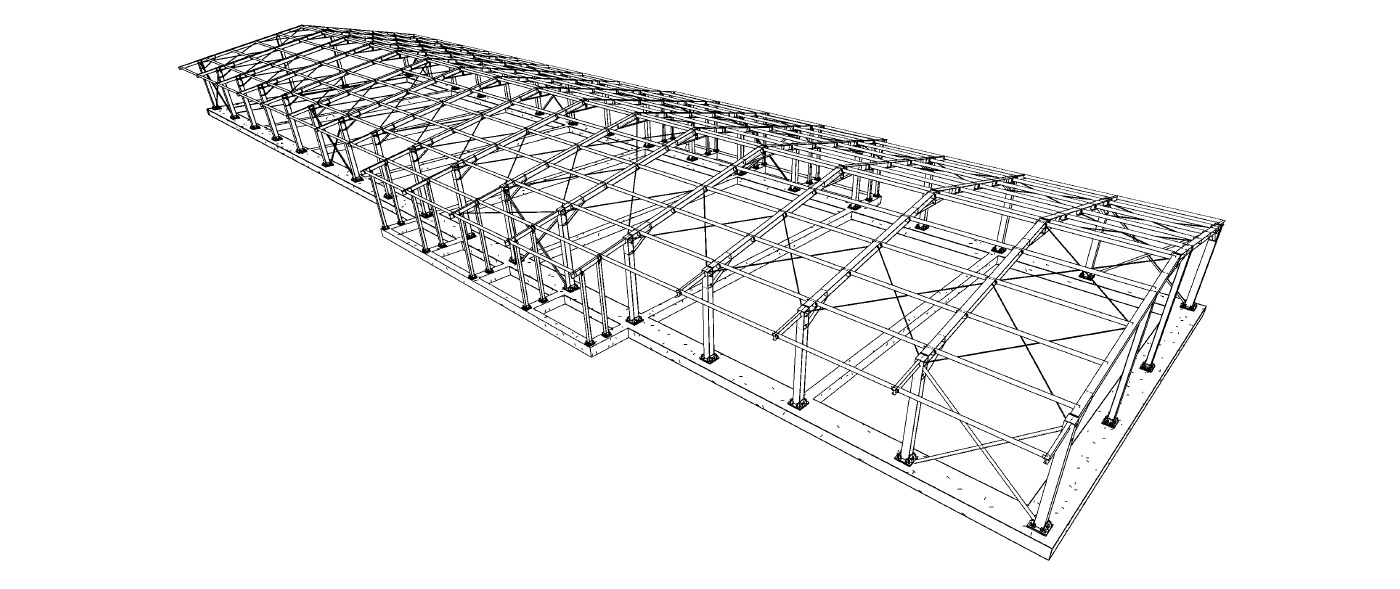
Civil and industrial buildings are works intended for residential, public or collective functions, and for manufacturing, logistics or commercial purposes, respectively. Structurally, they require engineering solutions capable of ensuring strength, stability and durability in relation to the intended use, expected loads and environmental conditions. Structures can be made of reinforced concrete, steel, masonry or mixed systems. Geotechnical analysis will make it possible to define the characteristics of the foundation works with particular attention to the development of subsidence during operating conditions.
Special works and foundations
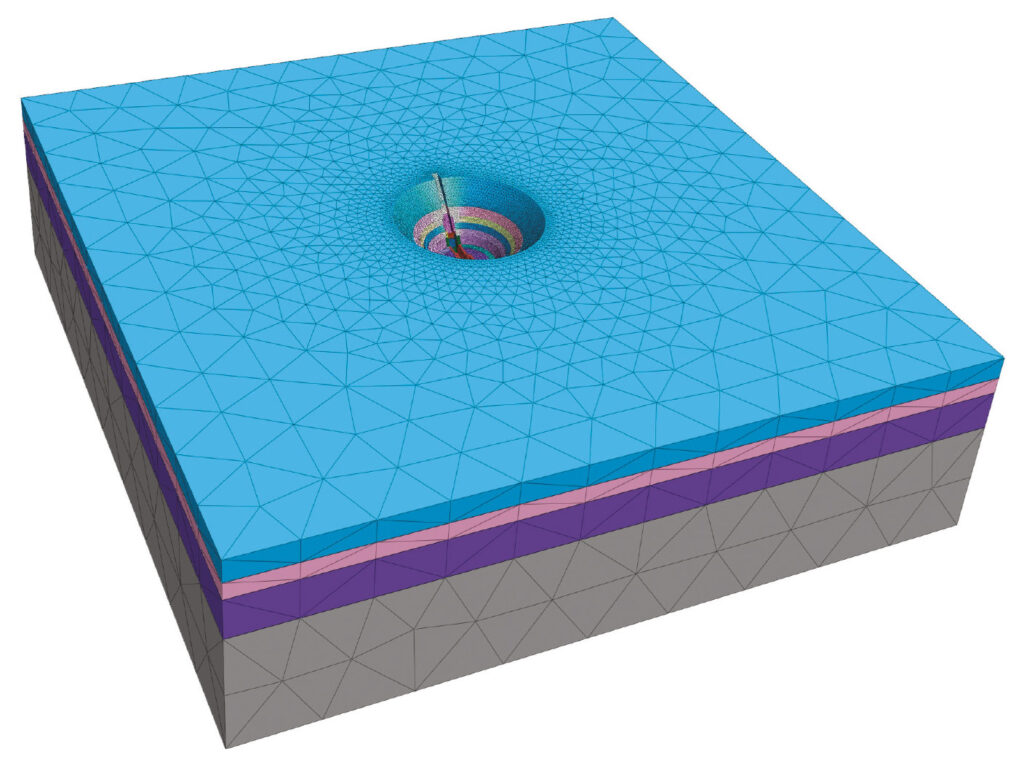
Special works and foundations include geotechnical and structural interventions adopted in complex contexts, where soil conditions, depth of excavation or environmental or urban planning constraints make non-ordinary solutions necessary. These include drilled or driven piles, micropiles, diaphragms, bulkheads, jet grouting, injected columns, consolidation injections, and soil retaining and improvement works. These are complemented by special works for the placement of buried infrastructure, such as pipe jacking, microtunneling, directional drilling HDD (or TOC), and other trenchless technologies used for laying pipelines, road and railroad crossings, or works in high-interference urban settings.